
Key Takeaways
- Shift your communication focus from correcting facts to connecting with feelings
- Avoid questions that test your loved one’s memory, as they can be frustrating
- Use simple, direct sentences and a calm tone to help with understanding
- Validate your loved one’s reality and emotions instead of arguing or contradicting them
- Engage in shared activities and positive reminiscence to strengthen your bond
How to Foster Positive and Kind Communication
When a loved one is living with dementia, finding the right words can be a challenge. You want to connect and be supportive, but conversations may not flow as they used to.
Experiencing these changes with your loved one can leave you feeling uncertain about how to maintain that special bond while still supporting their needs.
Communities like Kingston at Dupont can help families discover meaningful ways to communicate and care for loved ones living with dementia.
Successful communication with someone with dementia often means shifting your focus from facts and logic to connection and emotion. By adapting your approach, you can create positive moments and reduce stress for you and your loved one.
Phrases that Challenge Memory and Reality
Avoid Questions that Test Their Memory
Questions that test memory, like “Don’t you remember we talked about this?” can feel like a test your loved one can’t pass, leading to frustration.
Similarly, asking “Who am I?” or “Who is sitting next to you in this picture?” puts them on the spot and can be upsetting if they can’t recall the answer.
Frequently repeating information is a common part of the dementia journey. Responding with “I already told you that” can seem impatient. Instead, answer their question with a calm and reassuring tone each time. It’s an opportunity to show your patience and love.
Sidestep Arguments and Contradictions
Your loved one’s perception of reality may differ from yours. Saying “No, you are wrong,” creates a conflict you can’t win and often leads to agitation. A more compassionate approach is to respect their reality and respond to the emotions behind their words.
A common experience is the desire to “go home,” even when they are home. Telling them, “You can’t go home,” can be distressing. Instead, you could say, “Tell me about your home.” It’s a gentle redirection that validates their feelings and opens the door for a pleasant conversation.
Words and Tones that Create Frustration
Refrain From Commands and Demands
Phrases that sound like orders, such as “You shouldn’t do that,” can make your loved one feel controlled and cause them to become agitated. A gentler approach is to redirect their attention to an engaging activity or guide them away from an unsafe situation.
The pace of life can feel different for someone with dementia. Telling them to “Hurry up!” adds pressure and anxiety. Allowing for extra time and moving at their speed shows respect and makes daily routines more pleasant.
Steer Clear of Complicated Talk
Keep your communication clear and simple, as processing complex information can be difficult. Avoid long explanations or asking multiple questions at once. Give them time to process one thought before moving on to the next.
Sarcasm and complex jokes can be confusing, as your loved one may take these statements literally. Stick to straightforward, sincere language to help your message be received as intended.
Supportive Alternatives and Positive Approaches
Use Gentle Language and Validation
One of the kindest things you can do is validate your loved one’s feelings.
If they express sadness, acknowledge it by saying, “It sounds like you’re feeling sad right now,” to show you’re listening. You’re acknowledging that their emotions matter, which helps build trust and reduce caregiver stress.
Using simple, direct sentences can make a world of difference. Break down requests into single steps and use visual cues when possible. Instead of asking, “Do you want to get dressed and go for a walk?” try, “Let’s put on your coat,” followed by, “It’s a nice day for a walk.”
Focus on What You Can Do Together
Reminiscing about happy moments can be a joyful activity. Look at old photos and encourage them to share stories.
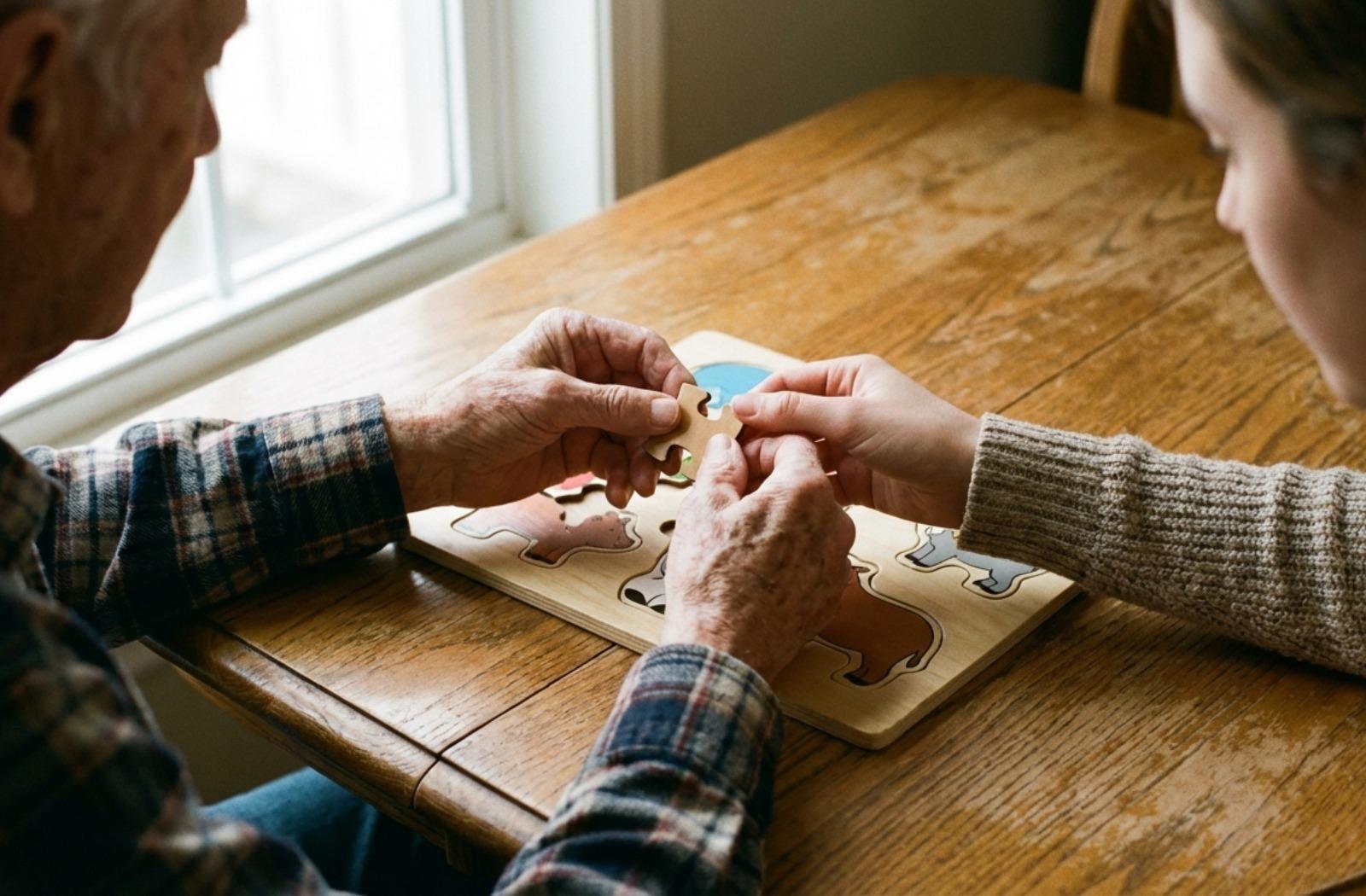
Engage in simple, enjoyable activities together, like listening to music or folding laundry. Tasks that your loved one can easily do or find enjoyable can offer a sense of purpose and achievement.
Professional memory care programs are designed to provide a nurturing environment. They offer structured activities and social opportunities that support cognitive wellness and quality of life.
Build Stronger Bonds Through Communication
Communicating with a loved one who has dementia is a journey of patience and love. By adjusting your words and focusing on connection, you can build a strong, meaningful bond and celebrate the moments you share.
If you’re exploring options for more support, consider the benefits of a specialized memory care community.
At Kingston at Dupont, our team is dedicated to creating a compassionate environment where every resident is celebrated and honored. We’re here to help your family navigate this journey.